
How to Choose the Right Allotment for Your New Home
Once you’ve decided where you want to live and have a clear understanding of your overall budget, the next step is choosing the individual allotment that best suits your home, lifestyle and plans.
On a land plan, several blocks can look quite similar. But differences in frontage, orientation, shape, slope, position and price can all influence which allotment – and ultimately which home – may work best for you.
Our Newenham Sales Agent Jordan Truswell knows the masterplan and landscape intimately, helping buyers bring land plans to life and understand how each allotment could work for the custom home they envision.
1. What comes first – the home or the land?
It’s a question buyers ask me regularly, particularly when they’ve already found a home design they love.
My advice is not to become too committed to a particular floorplan before you’ve considered the land. You might have a good idea of the style of home you want or how many bedrooms you need, but the allotment will influence how that home comes together.
Frontage, depth, orientation, shape and slope can all affect which home designs work particularly well on a block.
That’s why I generally encourage buyers purchasing land separately to shortlist their preferred allotments, then speak with their builder about which home designs will work well with each one.
Of course, there is another option. House and land packages bring the two together, pairing a particular home design with an allotment it has been selected to suit. At Newenham, buyers can explore house and land packages from a range of builders, or purchase land and choose their own builder and home design.
Neither approach is necessarily right for everyone. What’s important is understanding your options before making the decision.
If you’re still in the early stages of your search, explore our 6 tips for buying land at Newenham to help you get started.
2. Look at what’s around each allotment
Once you have an idea of the home you’re hoping to build, it’s time to start looking more closely at where individual allotments sit within the community.
What’s beside the allotment? What’s behind it? What might you look towards from your living areas or backyard? Is it close to a reserve, park or walking connection? How does it sit within the street?
It’s also worth considering what isn’t there yet.
The Newenham masterplan provides the bigger picture, including King’s Baptist Grammar School, a site for a future school, and future roads, reserves and walking connections. Looking at the masterplan alongside the allotments you’re considering can help you understand how each position may sit within Newenham as the community continues to develop.
3. Compare the type of allotment, not just its size
Once you’ve identified the areas and positions that appeal to you, you can start comparing the different types of allotments available.
Two allotments of a similar size can offer quite different possibilities depending on their shape, frontage and position within the street.
A conventional allotment may suit buyers looking for a straightforward home and garden layout, while a corner allotment can offer a different outlook and greater street presence. Depending on the individual allotment and home design, additional street frontage may also create different opportunities for access, garaging or accommodating a caravan, boat or trailer.
Some buyers may prefer a quieter street or cul-de-sac with less passing traffic, while others might prioritise an elevated position, reserve frontage, a particular outlook or proximity to a park or walking trail.
Certain characteristics may attract a premium, so the important question is whether that feature has value to you and the home you want to create.
There isn’t one “best” type of allotment. There is the allotment that is the right fit for you.
4. Understand frontage, orientation and shape
Once you’ve narrowed down the type of allotment you prefer, it’s time to look more closely at how the individual block might work with your home.
Frontage and shape can influence the style and width of home that will fit comfortably, as well as practical considerations such as garage configuration, driveway access and whether there may be room for additional vehicle, caravan or trailer access.
Orientation is also worth considering early. It can influence how your home is positioned on the block and where living areas, windows and outdoor entertaining spaces might sit to make the most of natural light.
Slope is another characteristic to consider with your builder.
Buyers can initially be hesitant about a sloping allotment when looking at a plan, but Newenham has an array of wonderful established homes that show what’s possible. On guided drives, I often point out split-level designs, undercroft garages and homes that embrace the hillside rather than work against it. They can completely change how buyers see a sloping block. Your builder can then help you understand how a design might respond to a particular allotment and what site-specific considerations may be involved.
If you’d like to explore this further, read our guide to the advantages of building on a sloping block.
Speaking with your preferred builder while you’re comparing allotments can be incredibly useful. They can help you understand how your preferred home design might work across different blocks before you make your final decision.
At Newenham, our Design Guidelines also help ensure homes respond thoughtfully to the rolling Adelaide Hills landscape, while contributing to the architectural diversity of the community.
5. Bring the land plan to life
Many allotments are sold off the plan, so it isn’t always possible to stand on the individual lot. But a guided site tour can take you as close as access allows, or to a suitable vantage point, to help you understand where your future home would sit within the broader development.
Plans, dimensions and price lists are important, but seeing the surrounding landscape brings a different perspective. Our Sales Team can help you interpret the plan in real life, including the elevation, outlook, nearby homes and what’s planned around the allotments you’re considering.
Elevation is one of the things that most often changes buyers’ thinking. Someone might picture a listed allotment high on the hill, then realise on a guided drive that it’s closer to the bottom than they imagined. If elevation or the potential for views matters to them, we can look at other allotments further up the hillside, including ones they may not initially have considered.
6. Consider the complete cost
Once you’ve narrowed down your options, it’s worth comparing what each allotment could mean for the complete project, rather than looking at the land price alone.
Speak with your builder about the short listed allotments and any differences that may affect your overall build. Site preparation, retaining, driveway length, fencing, landscaping and any changes required to your preferred home design can all contribute to the overall cost.
A lower-priced allotment won’t necessarily mean a lower overall build cost. Equally, paying a little more for a block that’s better suited to your home design and lifestyle may prove worthwhile when you consider the complete project.
Understanding those differences can help you compare your listed allotments more confidently.
Choosing between allotments isn’t simply about finding somewhere your house will fit. It’s about understanding which block works best for the home you want to build and the way you want to live.
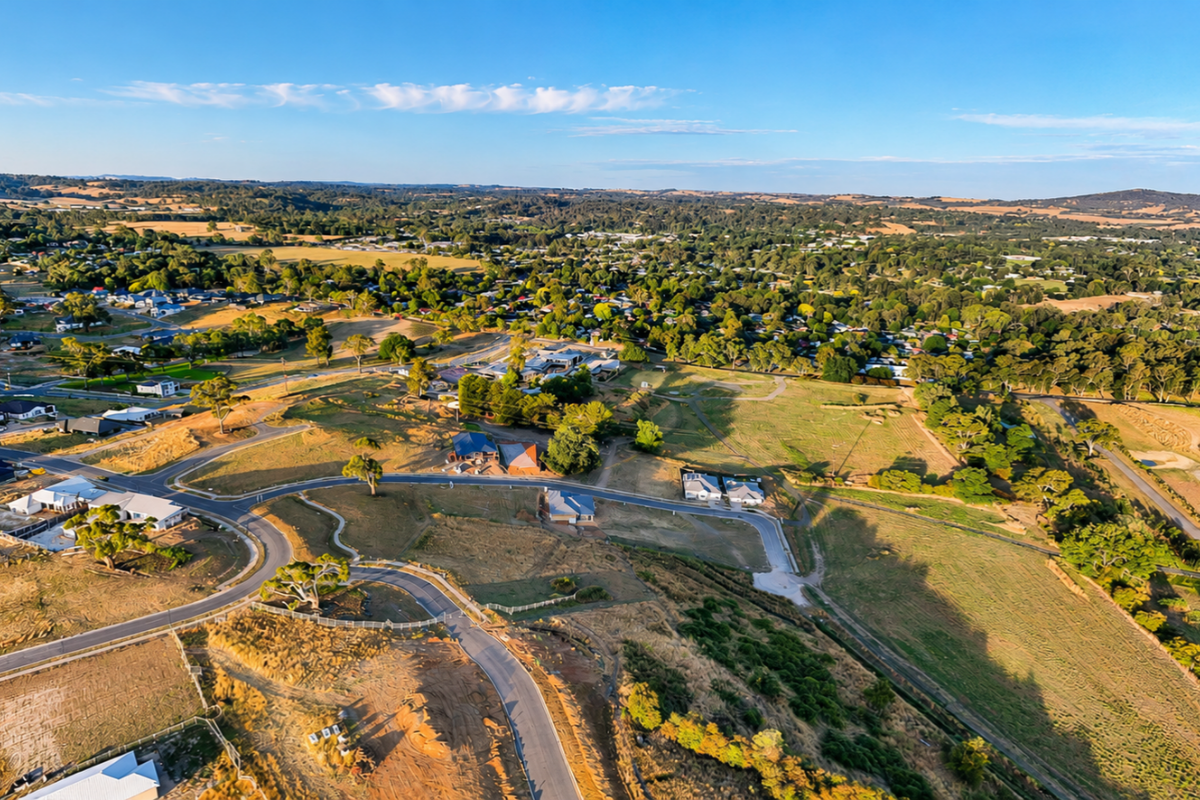
Photo Credit: A big thank you to Dronie Ward for capturing this spectacular golden-hour view across Newenham to Mount Barker Summit.
Find your ideal allotment at Newenham
Ready to see what’s available? View our current land for sale at Newenham, including available allotments across our latest land releases.
Or visit the Newenham Sales & Information Centre to meet our Sales Team and talk through the allotments that could suit your home and plans. View our opening hours and contact details below and arrangement an appointment.